
Overview
Yes. A cushioned surface can change how the game feels by creating a more forgiving experience underfoot while still supporting consistent response and playability. For many owners, the goal is to improve comfort without losing the energy and rhythm expected from a quality court.
That balance is what makes a cushioned surface appealing. It is not about making the court feel soft in a way that reduces performance. It is about creating a surface that feels more supportive while still delivering a reliable and enjoyable playing experience.
How Does a Cushioned Surface Feel Underfoot?
A cushioned surface usually feels more forgiving underfoot than a traditional hard surface. That added support can make the court feel more comfortable during regular use, especially over longer periods of activity.
For many owners, this difference is one of the main reasons to consider a cushioned system. The court still needs to feel responsive, but it can also feel less rigid and less demanding during play.
Does a Cushioned Surface Still Feel Playable?
Yes. A cushioned surface is designed to remain highly playable while adding comfort. The goal is not to remove the qualities that make a court feel active and responsive. The goal is to make those qualities more comfortable over time.
A good cushioned surface should still support movement, timing, and consistency. It should feel like a quality court first, with added comfort as one of its biggest advantages.
Can a Cushioned Surface Improve Comfort Without Slowing the Court Down?
Yes. That is exactly why many owners choose it. A cushioned surface is often selected because it can improve comfort while still maintaining the kind of response people expect from a well-built court.
This matters because comfort and performance do not have to work against each other. A surface can feel more supportive underfoot and still preserve the overall energy of the playing experience.
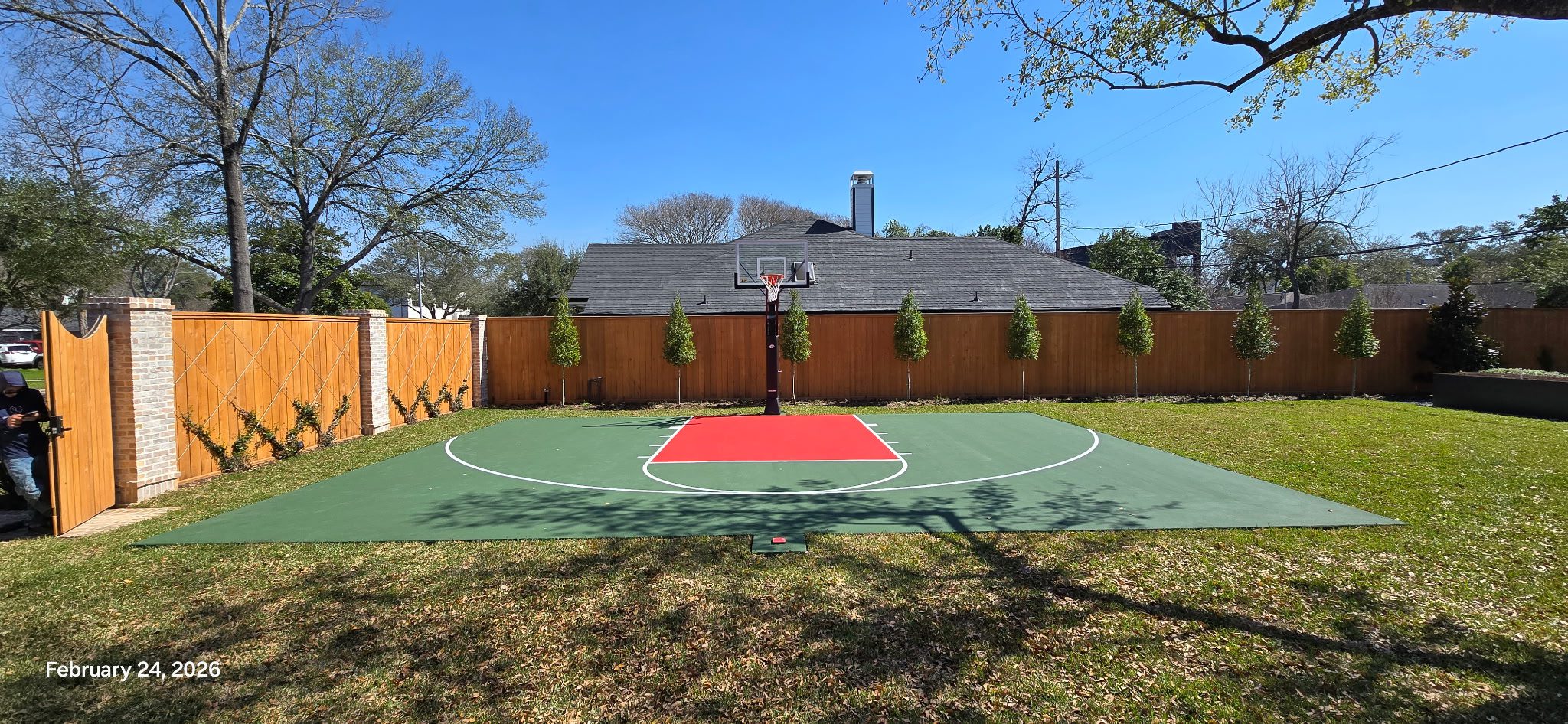
Does the Game Lose Its Rhythm on a Cushioned Surface?
No. A properly designed cushioned surface should still support the rhythm of the game. Owners who choose a cushioned system usually want the court to feel better, not fundamentally different in a negative way.
The best cushioned surfaces are designed to preserve the consistency and responsiveness that make a court enjoyable to use. That is why they are often viewed as a premium upgrade rather than a compromise.
Why Do Some Owners Prefer a Cushioned Surface?
Some owners prefer a cushioned surface because they want a court that feels more comfortable during regular use while still performing at a high level. They may care about joint comfort, fatigue reduction, or simply creating a more refined overall court experience.
That makes a cushioned surface especially appealing for projects where long-term usability matters just as much as appearance. It can help the court feel more supportive without taking away the qualities that make it fun and functional.
Does a Cushioned Surface Affect Response?
Yes, but in a controlled and intentional way. A cushioned surface is designed to soften the harsher feel of a rigid court while still supporting a consistent response. That means the court can feel more comfortable without losing reliability.
The goal is not to create a dead or muted experience. The goal is to create a more balanced feel that gives owners the benefit of comfort while maintaining quality playability.