
Overview
The right type of court depends on how the space will actually be used. A smart design process starts by looking at dimensions, intended use, performance expectations, and site conditions to create a layout that works perfectly over time.
Why Is Intended Use So Important?
Intended use is one of the biggest factors because it shapes the direction of the entire project. A court built for regular family recreation may need a different layout and feel than one designed for more frequent use or a more performance-driven experience. This is why choosing a court should start with how the space will function, not only with visual preference.
How Do Available Dimensions Affect the Decision?
The available dimensions of the property help determine what type of court can realistically fit and still feel comfortable to use. It is not just about whether a court can technically be placed in the area; it is about whether the final layout will feel balanced, practical, and visually appropriate for the space.
Do Property Conditions Matter?
Yes, very much. Conditions such as grading, drainage, slope, access, and surrounding features can all influence what type of court makes the most sense. A court should not be selected in isolation from the property itself.
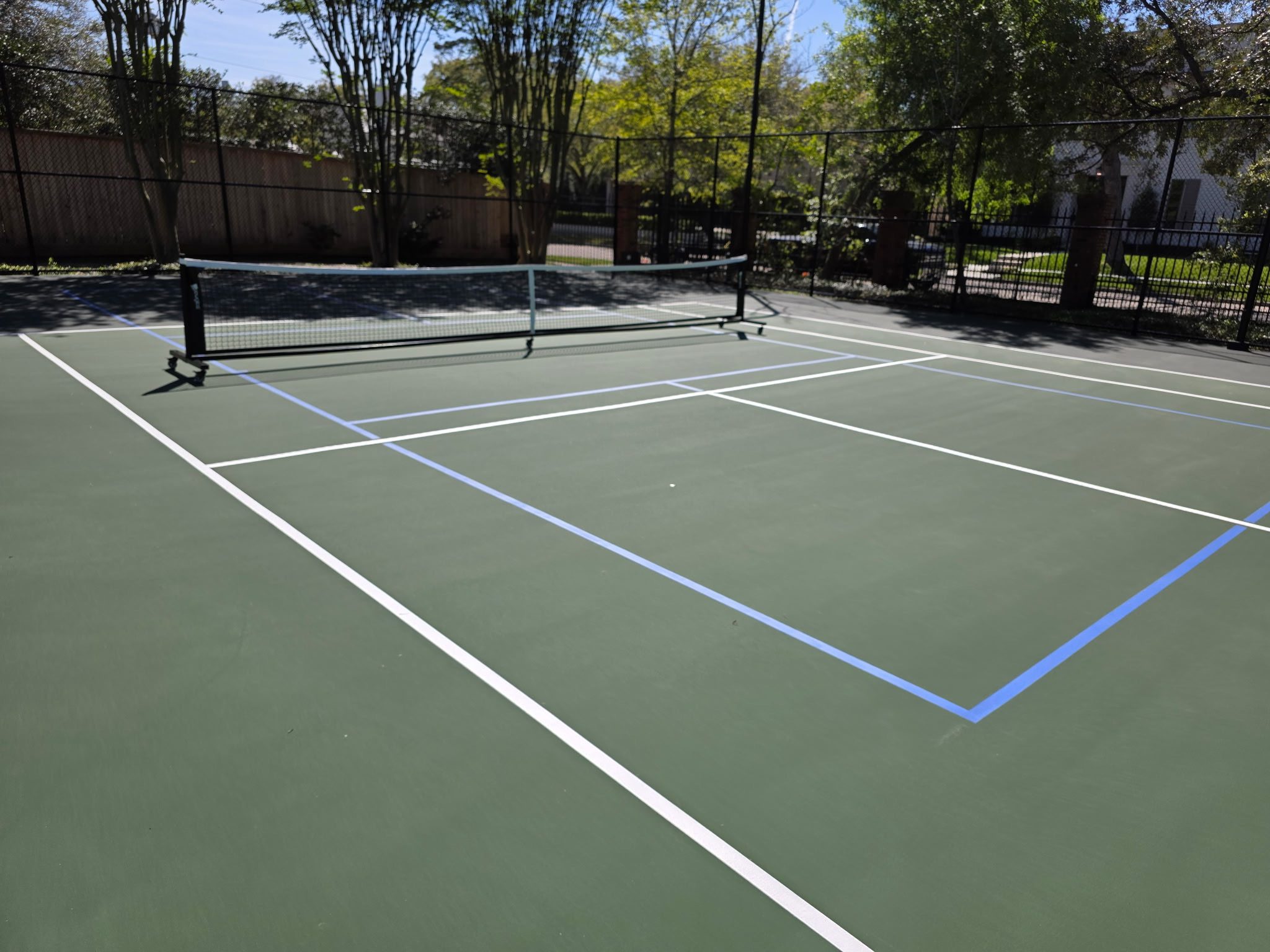
How Do Performance Goals Help Narrow the Right Choice?
Performance goals help define how refined and specialized the court should be. Understanding those priorities early makes it easier to guide the design in the right direction. A court should match the level of experience the owner wants, not just the amount of space available.
Does Surface Preference Play a Role?
Yes. Surface preference can influence the type of court that makes the most sense because it affects comfort, traction, appearance, and long-term maintenance. Thinking about the surface early helps create a more complete plan.
Should I Think About Single-Use or Multi-Use Design?
Yes, this is often one of the most important choices during the planning stage. A single-use design can be a great fit when the owner already knows exactly how the court will be used, while a multi-use design is better when flexibility matters more to support a wider range of recreation.
Why Is a Design Consultation Helpful?
A design consultation helps move the project from general ideas to a realistic plan. It brings together dimensions, intended use, surface preferences, performance goals, and site conditions to prevent common mistakes and lead to a more intentional, successful result.