
Overview
Maintaining an outdoor pickleball court comes down to three things: sweeping away abrasive dirt, checking your net tension, and fixing tiny surface cracks before it rains. Because pickleball forces players to constantly lunge, pivot, and scuff their feet right along the 7-foot kitchen line, the paint in that zone takes a massive beating compared to a tennis court. Keeping the surface clean and sealed is the only way to prevent bald spots and maintain high player traction.
Left unprotected, an outdoor court has to fight baking UV rays, standing rainwater, puddles, and rotting leaves. If you don't have a basic upkeep routine, these everyday elements will break down the acrylic paint, ruin the ball bounce, and eventually crack the concrete or asphalt underneath.
Why Is Regular Pickleball Court Maintenance Important?
Regular upkeep keeps players safe from slick spots and saves you from a massive, multi-thousand-dollar resurfacing bill later on.
Think of it like changing the oil in a car. Catching minor wear early prevents routine weather exposure from leading to a complete foundation failure. It ensures the textured grip stays intact for quick kitchen-line pivots and keeps the ball bouncing exactly how it should.
How Often Should an Outdoor Pickleball Court Be Cleaned?
You should blow off loose debris at least once a week, backed by a thorough washdown every spring.
When windblown dirt and grit sit on the court, players step on them, grinding them into the paint like industrial sandpaper. This wears away the textured finish, creating smooth, slippery spots. Also, letting piles of wet leaves or pine needles sit on the court creates damp organic rot whose acids eat into the paint binders, causing flaking and peeling.
What Should Be Inspected During Routine Maintenance?
Court upkeep means looking closely at the entire setup, not just pushing a broom across the lines.
During a routine walk-through, check the net height—it must measure exactly 34 inches at the absolute center—and check that net posts aren't leaning inward. Ensure gates latch smoothly, fencing hardware isn't rattling loose in high winds, and windscreens are securely tied down so they don't tear or pull fence rails out of alignment.
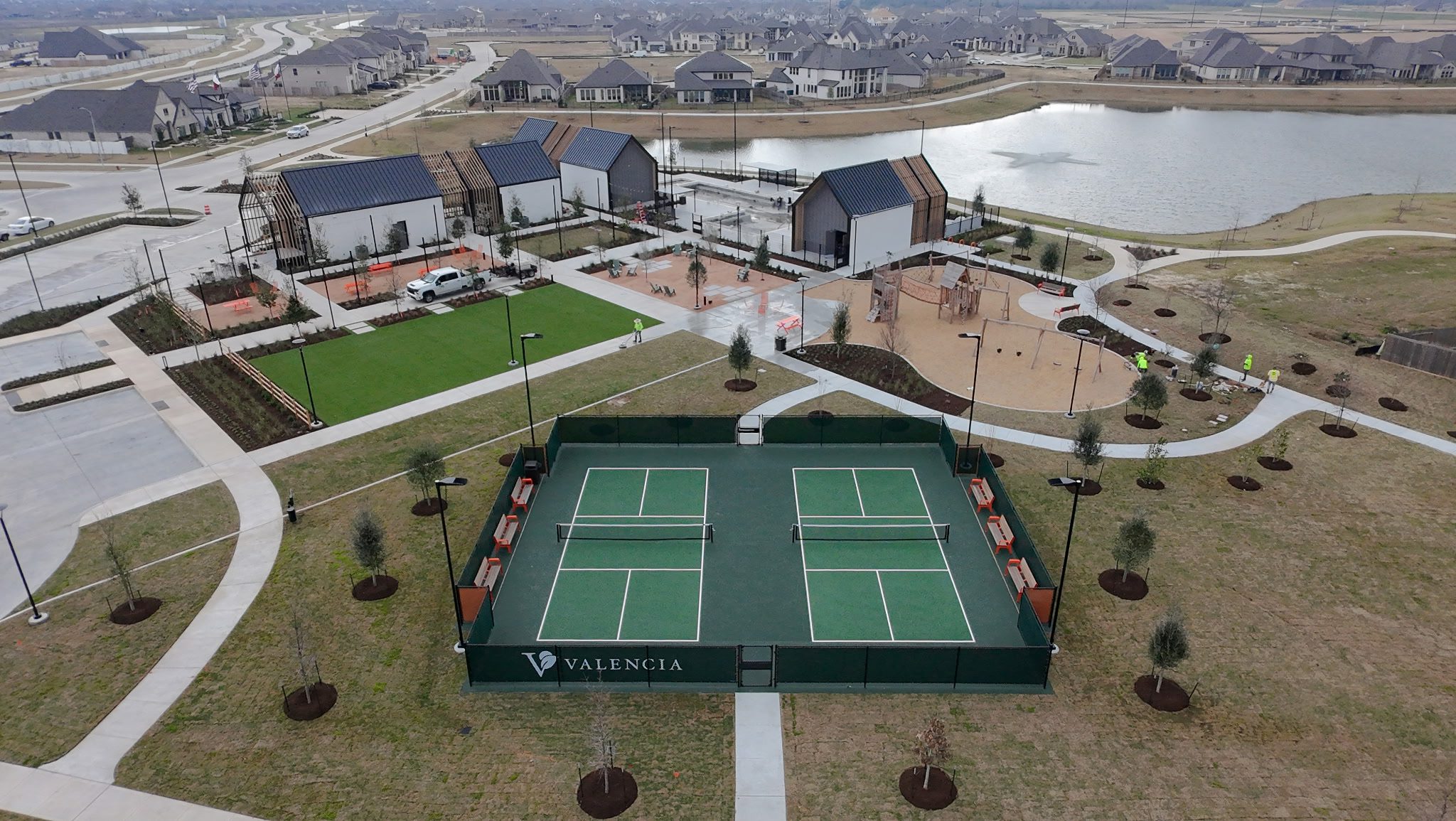
Can Small Maintenance Issues Become Bigger Problems?
Yes, tiny issues turn into major structural headaches incredibly fast.
Take a tiny hairline crack, for example. If ignored, rainwater slips straight through to the soil base beneath the court. In summer, solar heat turns that trapped moisture into hot vapor that bubbles and peels paint away. In winter, that water freezes and expands, cracking the concrete wide open and turning a small line into a dangerous tripping hazard.
Does Professional Maintenance Include Minor Repairs?
Yes, a solid preventive maintenance program handles minor fixes on the fly during regular visits.
Usually, a maintenance run includes spot-cleaning stubborn mold or dark algae patches along shaded edges, touching up small paint scuffs on the lines, greasing internal net winches so rain doesn't rust them shut, and tightening loose fence bolts. Fixing these tiny issues right away keeps the court open without needing a total shutdown.
How Often Should a Pickleball Court Be Professionally Maintained?
It depends on how many hours of play the court gets and how many trees are shading the area.
For typical neighborhood HOA courts, parks, or school yards, a quarterly professional checkup combined with a deep annual pressure wash works perfectly. If you manage a busy commercial club with non-stop tournament play or heavy tree cover, switching to a bimonthly schedule keeps the surface in much better shape.
Can Regular Maintenance Help Extend the Life of a Pickleball Court?
Absolutely. Staying on top of basic care is the single best way to double the lifespan of your court surface.
By keeping abrasive grit off the floor, clearing wet leaves before they leave stains, calibrating net hardware, and sealing minor cracks early, you protect the base slab. This ensures the court stays fast, grippy, and perfectly playable for years.