
Overview
An indoor padel court takes weather out of the schedule. Rain does not cancel a booking, wind has less influence on high balls, and players avoid the strongest afternoon sun. Outdoor padel offers a more open atmosphere and may cost less than constructing an entire building.
That sounds like a simple comparison. It rarely is.
An empty warehouse might appear ideal until someone measures the lowest roof beam. A clear piece of land may look ready for an outdoor court until drainage, soil conditions, access, and wind exposure are assessed.
Quality & Heritage Court Services designs and installs indoor and outdoor padel courts across Texas. We help property owners look beyond the enclosure and decide which setting works for the site, players, operating hours, and available budget.
Have a building or outdoor location in mind? Contact Quality & Heritage Court Services today to schedule an on-site evaluation.
What Really Changes When a Padel Court Moves Indoors?
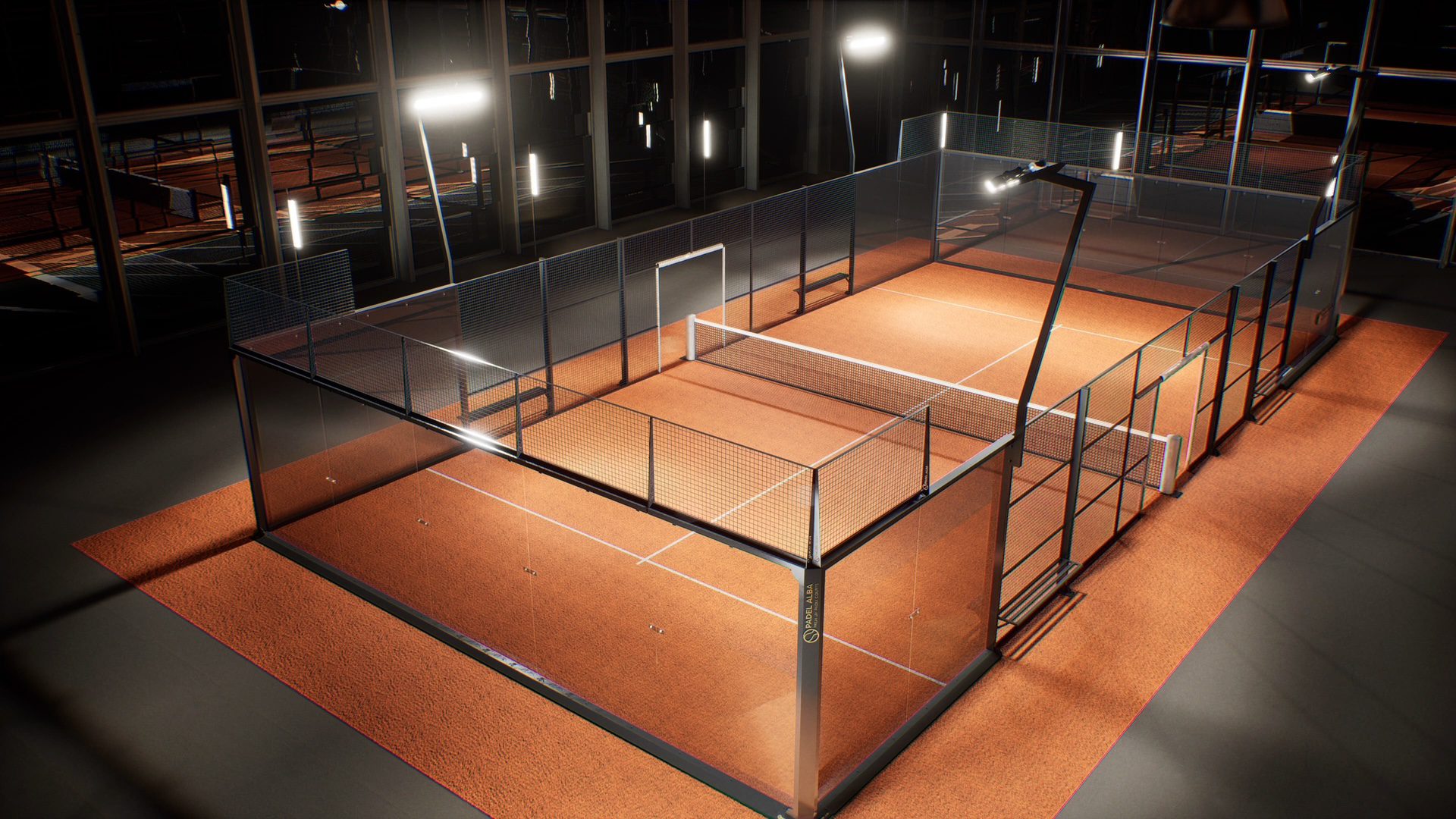
The regulation playing area does not change. Players still use the glass and metal enclosure as part of the game. The net, turf, doors, and interior dimensions remain consistent.
The environment around the enclosure is what changes.
Inside a building, there is no need to wait for a wet surface to dry. Lighting can remain consistent from the first booking to the last. Wind becomes much less of a concern.
In return, the building needs to provide sufficient clear height, safe exits, comfortable air movement, and space for people to circulate through the courts. Roof beams, lights, ducts, and columns can all interfere with a layout that seemed workable from the floor.
An outdoor project has fewer building systems to manage, but the court lives with every change in the weather. Drainage, sun, wind, corrosion protection, and surface maintenance carry more weight.
Neither setting removes complexity. It simply moves the difficult decisions to different parts of the project.
How Much Space Does a Padel Court Need?
The inside of a regulation padel court measures 10 meters wide by 20 meters long. That is approximately 32 feet 10 inches by 65 feet 7 inches.
Those are internal playing dimensions. The finished facility needs additional space outside the enclosure for framing, foundations, lights, doors, walkways, maintenance, and player access.
Height of an Indoor Court
A padel court needs at least 6 meters of clear, unobstructed height. New facilities are better planned with 8 meters of clear height where possible.
The word “clear” matters. Measure from the finished turf to the lowest item above the playing area, not simply from the floor to the roof deck.
Possible obstructions include:
• Roof beams and trusses: A building may have plenty of height in the center but lose several feet near the sides. The entire playing area needs suitable clearance.
• Lights and mechanical equipment: Fixtures, fans, ducts, pipes, and fire equipment can hang below the structure. A light placed in the wrong spot may interfere with lobs even when the roof itself is high enough.
• Signs and suspended items: Scoreboards, banners, cameras, and protective netting also occupy the air above the court. Their positions should be planned before installation.
Padel involves plenty of high balls. A low obstruction is not a minor annoyance. It changes the way the court plays.
Outdoor Space
An outdoor court needs room beyond its glass walls too. Crews must be able to clean the panels, inspect fasteners, service the lights, and reach drainage areas.
A commercial facility also needs comfortable paths between courts. Players should not have to squeeze beside the glass or cross through another active area to reach an entrance.
When seating, landscaping, shade, restrooms, and parking are included, the land requirement becomes much larger than the 10-meter-by-20-meter playing area.
How Does Texas Weather Change an Outdoor Padel Court?
Outdoor padel can be excellent during a mild Texas morning. The same court feels very different on a windless August afternoon or after a sudden thunderstorm.
That does not make outdoor construction a poor choice. It means the design has to take the local climate seriously.
Heat and Sunlight
Glass and metal absorb heat. So do dark turf, nearby pavement, and black fencing. By late afternoon, the playing environment may feel much warmer than the reported air temperature.
Sunlight also acts on the materials every day. Exterior turf, coatings, padding, fasteners, seals, and electrical components need to be selected for continued exposure.
Court direction deserves attention. A generally north-to-south orientation helps reduce the amount of time players spend facing low sun. The exact angle may need to change because of the property shape or nearby buildings.
Rain
Rain needs a direct route off and away from the playing area. Water that stays trapped in the turf can leave the court unavailable long after a storm has passed.
Drainage relies on several parts working together:
• The foundation: The slab needs an accurate slope. A low area beneath the turf will continue collecting water no matter how often the surface is brushed.
• The turf system: Water must be able to pass through or leave the installed surface as intended. Infill and debris should not block that movement.
• The surrounding property: Runoff leaving the court needs somewhere suitable to go. It should not collect beside the foundation or flow toward another court, building, or neighboring property.
Leaves and soil often gather at the edges after a storm. Keeping those areas clear helps the court dry more evenly.
Which Setting Provides More Reliable Playing Time?
Indoor padel wins this comparison. A properly designed facility can accept bookings in rain, wind, or strong afternoon sun.
That consistency matters for clubs. Coaches can keep lesson schedules. League organizers do not need a backup date every time rain appears in the forecast. Members can book a court with more confidence.
Outdoor courts remain more dependent on the season and time of day.
• Summer use often shifts: Early mornings and evenings may become the most popular times. Lighting can extend the useful schedule after sunset.
• Rain creates downtime: Good drainage shortens the interruption, but players still need a dry and safe surface.
• Wind changes play: Some players enjoy the added challenge. Others prefer the predictable ball movement found indoors.
• Mild weather is a real advantage: On a clear spring or fall day, outdoor padel offers an atmosphere an enclosed building cannot copy.
A commercial property should compare expected bookings with the added cost of operating an indoor building. More playable hours are valuable, but they are not free.
How Do the Installation Requirements Compare?
Indoor and outdoor courts use many of the same main components. Both need an accurate base, secure structural framing, aligned glass, correctly installed turf, suitable lighting, and a regulation net.
The work surrounding those components differs.
Indoor Installations
An indoor project often begins with changes to an existing building. The floor for an indoor padel court may require grinding, leveling, moisture treatment, or repairs. Mechanical and electrical systems may need to move away from the court area.
Installation must also work around the building. Glass and metal components must enter through available doors and travel safely to their final locations.
Lighting can be mounted within the structure, but fixture placement requires care. Players need even illumination without glare, and nothing should hang within the required clear height.
Outdoor Installations
Outdoor work begins with the property itself. Crews clear and grade the site, prepare the soil, install the base, and build the foundation and structural anchor points.
The major concerns include:
• Soil movement: Clay-rich Texas soil changes volume as moisture levels fluctuate. Preparation and foundation design need to reflect the conditions found on the property.
• Rainwater: The court and surrounding land require a drainage plan. A finished slab should not send water toward the clubhouse, parking area, or neighboring land.
• Exterior materials: Turf, metal coatings, fasteners, seals, lights, and electrical components should be intended for outdoor exposure.
• Construction access: Trucks, concrete equipment, glass panels, and frame sections need a workable path to the site. Limited access can add time and labor.
Indoor installation works within the limitations of a building. Outdoor installation works with the limitations of the land.
Which Court Takes More Work to Maintain?
Outdoor courts usually need more frequent surface and enclosure cleaning. Indoor facilities have less weather-related cleanup but add an entire building to the maintenance schedule.
Indoor Padel Maintenance
Dust, shoe debris, loose fibers, and ball material still collect in the turf. Glass panels pick up fingerprints and marks during play. The turf needs brushing, cleaning, and infill care based on use.
Fasteners, doors, net posts, lights, and glass fittings also need routine checks.
Then there is the building. Owners are responsible for ventilation, cooling, roofing, lighting, plumbing, fire systems, common areas, and restrooms. The court itself may stay cleaner, but the overall facility is not maintenance-free.
Outdoor Padel Maintenance
An outdoor court collects whatever the weather brings. Pollen settles on the glass. Leaves gather along the turf edges. Dust and small debris move with the wind.
Regular care should cover:
• Glass and enclosure cleaning: Rain spots, pollen, insects, and dust affect visibility. Cleaning also gives the maintenance team a chance to notice loose fittings or damaged seals.
• Turf and infill care: Brushing prevents fibers from matting and redistributes infill displaced by players or heavy rain. Busy areas may need attention more often.
• Drainage checks: Edges and outlets should be cleared before and after storms. A court that suddenly takes longer to dry may have a blocked path or developing low area.
• Metal and electrical inspection: Frames, mesh, anchors, doors, light poles, and exterior wiring should be checked for movement, corrosion, or weather damage.
The workload is manageable when it follows a schedule. Problems grow when the court is ignored until the turf looks flat or a door no longer closes properly.
Does an Indoor Padel Court Cost More?
It often does when a new building is part of the project. The roof and walls are only the beginning. Ventilation, climate control, restrooms, fire protection, electrical service, parking, and interior finishes all affect the total.
The comparison changes when a suitable building already exists. A warehouse with good height, wide column spacing, a usable slab, and adequate parking can make indoor conversion more practical.
Outdoor construction avoids the cost of enclosing and conditioning a building, but the land may need substantial work. Poor soil, poor drainage, retaining walls, extensive utilities, and restricted access can quickly raise the budget.
When comparing costs, include the complete facility.
For an indoor project, that may mean:
• Building purchase, lease, or construction
• Slab preparation
• Code and occupancy upgrades
• Ventilation or cooling
• Electrical work
• Restrooms and accessible routes
• Court installation
• Ongoing utility expenses
For an outdoor project, include:
• Clearing and grading
• Soil and foundation work
• Drainage
• Enclosure and turf
• Exterior lighting
• Walkways and access
• Landscaping repairs
• Ongoing weather-related maintenance
The lower enclosure quote does not always lead to the lower completed project.
Which Setting Works Better for a Private Padel Court?
A private estate with suitable land may be a natural fit for an outdoor court. The court can be placed near the home while still allowing room for access, drainage, landscaping, and sound separation.
Indoor construction makes more sense when the property already has a tall, open building or when the owner wants dependable use regardless of weather.
Private owners should think honestly about their playing habits. Someone who plays early in the morning may enjoy an outdoor court for much of the year. A family that prefers afternoon play may place greater value on shade or an indoor setting.
The better court is not the one with the longest feature list. It is the one the owner will actually use.
Frequently Asked Questions
It may be possible if the original placement, foundations, setbacks, and drainage leave room for a future structure. If a roof is a realistic future upgrade, mention it during the first design phase. Planning for it later can be far more expensive.
Not every indoor facility is fully air-conditioned, but all of them need a plan for heat and air movement. The right system depends on the building, climate, number of courts, and operating hours. Airflow should be comfortable without affecting the ball.
The playing area needs at least 6 meters of clear height with no beams, lights, ducts, or other obstructions. New facilities are better planned around 8 meters where the building and budget allow.
Possibly. The slab needs to be checked for level changes, cracks, moisture, joints, and old coatings. Even when the concrete is structurally sound, surface preparation may be needed before the turf and enclosure are installed.
A roof is not required, but shade can improve comfort during hot months. The structure needs to account for height, wind, drainage, and local permitting. Many uncovered courts manage summer use by scheduling play earlier in the morning or after sunset.
The court portion of an indoor facility usually needs less weather-related cleaning. The building adds roof, ventilation, cooling, plumbing, and common-area expenses. Outdoor courts avoid those building costs but require more frequent care for glass, turf, drainage, and enclosure.
Why Choose Quality & Heritage Court Services?
Padel construction requires more than assembling glass and laying turf. The foundation, enclosure, drainage, lights, access, and surrounding facility must work together.
Quality & Heritage Court Services evaluates the entire site or building before recommending an indoor or outdoor plan.
Clients choose our team for:
• Practical site evaluation: We assess clear height, column placement, slab condition, soil conditions, drainage, access, and surrounding space before settling on a layout.
• Experience with both environments: Indoor projects need building coordination, while outdoor courts need careful foundation and weather planning. We account for the demands of each setting.
• Complete installation planning: Glass, framing, turf, lighting, doors, drainage, and player access are treated as components of a single project.
• Texas construction knowledge: Heat, sunlight, heavy rain, humidity, wind, and soil movement influence the recommendations we make for outdoor facilities.
• Maintenance after opening: Our padel court maintenance services provide inspections, cleaning, surface care, and repairs as the court ages.
Contact Quality & Heritage Court Services to arrange an on-site consultation and compare indoor and outdoor padel options for your property.