
Overview
That is when padel court resurfacing deserves a closer look.
Resurfacing a padel court is different from applying another coat of color to a hard surface. Most padel courts use an artificial turf system with carefully distributed silica sand. The turf, infill, seams, drainage, base, net, glass, and steel enclosure all influence how the court feels and performs.
Quality & Heritage Court Services provides padel court resurfacing for private properties, clubs, hotels, residential communities, schools, training facilities, and commercial venues across Texas. We inspect the existing surface, identify what has worn, remove and replace materials where needed, restore the infill, and review the surrounding court components before reopening.
If your padel court has flattened turf, uneven sand, loose seams, inconsistent bounce, drainage problems, or visible wear, contact our team to arrange an inspection.
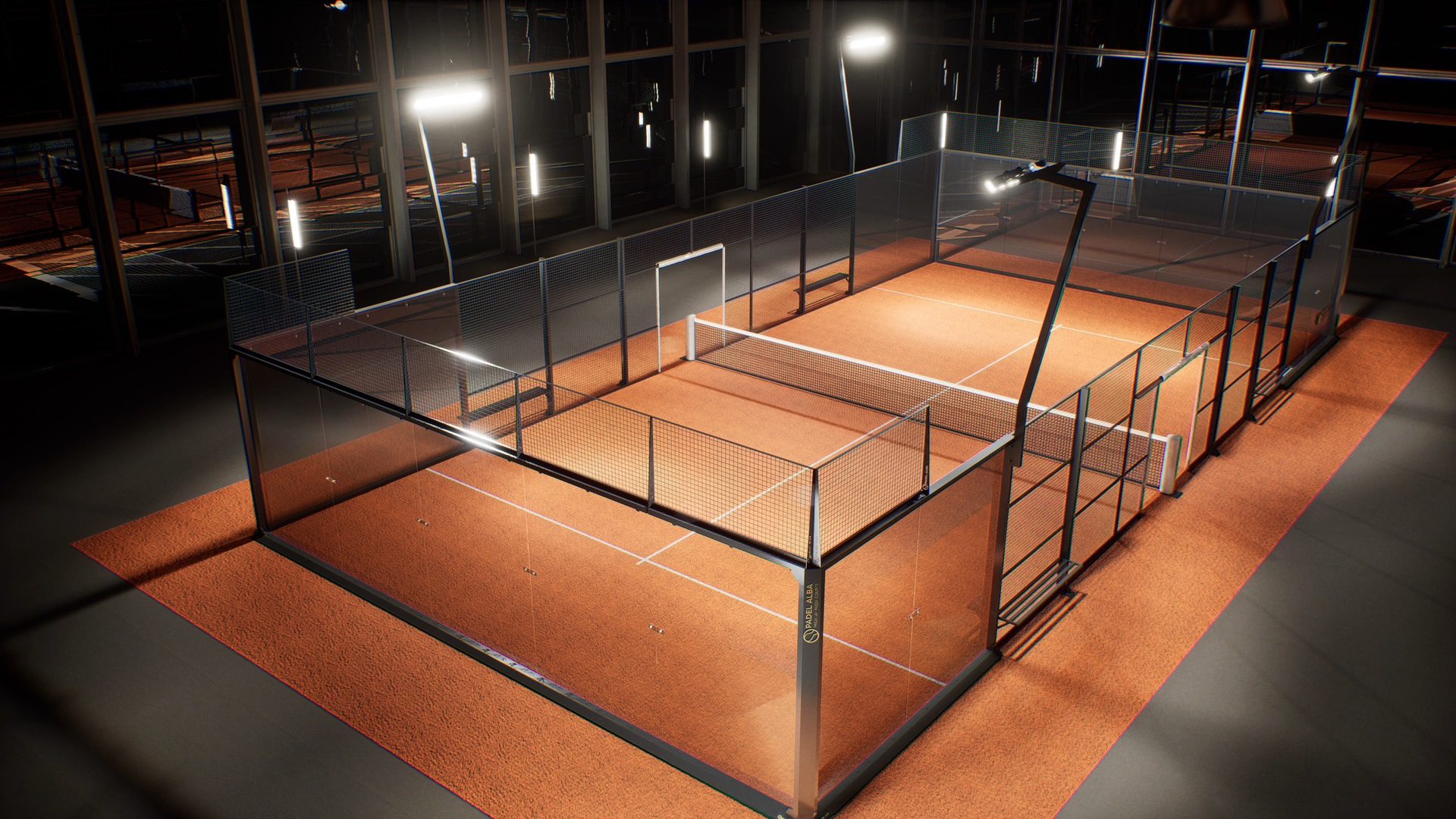
Resurfacing Is Not the Same as Routine Turf Maintenance
Regular maintenance can keep a serviceable padel surface performing properly.
Brushing lifts compressed fibers and redistributes sand. Cleaning removes leaves, dust, fibers, and other material that can interfere with drainage or traction. Small seam issues may be addressed before they spread.
Resurfacing goes further.
It becomes necessary when maintenance can no longer restore the turf’s texture, stability, drainage, or playing consistency. Depending on the court's condition, resurfacing may involve replacing the entire artificial turf system or renewing damaged sections while correcting issues beneath them.
The difference depends on the condition of the material.
Maintenance supports a surface that still has useful life. Resurfacing replaces or rebuilds a surface that has become too worn, damaged, uneven, loose, or unreliable for routine care alone.
Inspect the court before making that decision. Flattened fibers do not always mean the turf has failed. Uneven sand may be correctable. A loose edge may need a localized repair rather than full replacement.
At the same time, repeated grooming will not restore fibers that are splitting, severely matted, or worn through to the backing.
What Happens to Padel Turf Over Time?
Padel places concentrated demands on the playing surface.
Players move quickly through a relatively compact area. They stop, turn, slide, recover, and change direction close to the net and glass. That traffic does not spread evenly across the turf.
High-use areas may begin to look and feel different from quieter sections.
Fibers can flatten. Silica sand can migrate toward corners and edges. Seams may experience repeated stress. Areas near doors can collect dirt carried in on shoes. Outdoor courts also face rain, sun, wind, pollen, leaves, dust, and temperature changes.
The turf does not work by itself. Its performance depends on the amount and distribution of infill, the condition of the backing, the quality of the seams, and the stability of the base beneath it.
A court may still look green from outside the enclosure while having clear problems underfoot.
Signs That a Padel Court May Need Resurfacing
There is no single date when every padel court must be resurfaced.
A private court used a few times each week will age differently from a club court booked from morning through evening. Indoor and outdoor courts also face different conditions.
Base the decision on what the surface is showing.
The Turf Stays Flat After Brushing
Artificial turf naturally compresses under repeated play. Brushing can lift serviceable fibers and help restore a more even surface.
If the fibers remain flattened, split, or heavily worn after proper grooming, the material may be reaching the end of its useful life.
Permanent matting can affect traction and the way the ball responds after contact with the surface.
Sand Has Become Difficult to Control
Silica sand supports the turf fibers and contributes to movement and ball response. During play, that sand gradually shifts.
Routine maintenance can redistribute it. Problems develop when certain areas remain overloaded while others appear bare, even after grooming.
Hardened patches, excessive buildup beside the glass, and exposed turf backing can all change how the court plays.
The Ball Responds Differently Across the Court
An occasional unusual bounce can happen anywhere. A repeated pattern deserves attention.
The ball may skid through a worn area, slow down in a heavily sanded section, or respond unpredictably near a loose seam. Players may begin adjusting their movement to avoid particular spots.
A padel court should not make players guess how the surface will behave from one step to the next.
Seams or Edges Are Lifting
A small opening between turf sections can quickly become more noticeable under regular foot traffic.
Loose seams may catch shoes, collect dirt, allow water beneath the turf, or continue separating. Also inspect lifted edges near doors, glass, net posts, and perimeter sections.
Seam repair may be possible when the surrounding turf remains in good condition. Widespread separation can indicate that a larger portion of the surface needs attention.
Water Is Not Leaving the Court Properly
Outdoor padel courts need water to pass through or leave the surface, depending on the drainage design.
If puddles remain, one part of the turf stays saturated, or the court develops a persistent damp smell, the problem may involve compacted infill, clogged turf, blocked drainage, an uneven base, or water entering from the surrounding property.
Replacing turf without understanding the drainage problem can allow the same issue to return.
The Surface Has Visible Damage
Tears, burns, holes, frayed fibers, loose backing, and worn-through areas are clear reasons to inspect.
Localized damage may be repairable. Multiple damaged areas or advanced wear across the playing zone may make full resurfacing more practical.
The Infill Is Part of the Playing Surface
Silica sand may not be the first thing people notice, but it directly affects the court.
The sand helps support the artificial fibers. It also influences traction, movement, surface stability, and ball behavior. Too little sand can leave fibers unsupported and allow the turf to wear faster. Too much sand can make areas feel heavy or slow.
Distribution matters just as much as total quantity.
During repeated play, sand moves toward the perimeter, collects beside the glass, or becomes compacted in certain zones. Outdoor conditions can add moisture and fine debris, causing some areas to bind together.
A resurfacing project should not treat infill as material that can simply be poured over the new turf.
The correct type and amount must be introduced carefully and spread across the surface in stages. During this process, the turf is brushed so the sand settles between the fibers rather than forming obvious piles.
The court may require additional grooming after installation as the infill settles through early use.
What Lies Beneath the Turf Matters
Removing old turf reveals the surface underneath.
That moment can explain problems that were difficult to diagnose from above.
The base may have cracks, uneven areas, adhesive residue, moisture staining, loose material, or partially blocked drainage openings. Previous repairs may also become visible.
Do not install the new turf until the base has been reviewed and prepared.
A small imperfection beneath artificial turf can eventually be felt underfoot. A raised repair may affect ball bounce. A depression can hold water. Loose material can prevent the new system from sitting flat.
If the base has moved, you need to address the cause. Turf can follow the shape beneath it, but it cannot stabilize a failing foundation.
Quality & Heritage Court Services evaluates the base condition as part of the resurfacing plan. If deeper repair is needed, discuss that work before installing the replacement turf.
Drainage Needs to Work With the New Surface
Outdoor padel courts in Texas may face intense sunlight followed by sudden heavy rain.
The surface must dry without leaving persistent wet areas that interrupt play or encourage organic growth.
Drainage problems can develop for several reasons:
- Fine debris has collected within the turf
- Sand has become heavily compacted
- Drainage openings are blocked
- The base contains low areas
- Water is entering from the surrounding property
- The court edge does not allow water to leave as intended
- Earlier repairs have affected the original drainage path
- Landscape or construction changes have redirected runoff
During resurfacing, the old turf is removed, making the underlying drainage conditions easier to inspect.
This is the right time to clear obstructions, review low areas, and identify water entering from outside the enclosure. If the base slope or surrounding grade is contributing to the problem, surface replacement alone may not be enough.
Correct water management before it is hidden beneath the new turf.
Choosing the Right Replacement Turf
Not every artificial turf product belongs on a padel court.
General landscape turf, putting green material, and turf intended for other activities may differ in fiber shape, height, density, backing, drainage, and interaction with sand.
The replacement should suit padel play and the court’s expected level of use.
The decision may be influenced by:
- Indoor or outdoor installation
- Recreational, training, or competitive use
- Daily playing volume
- Preferred playing speed
- Player expectations
- Climate and sun exposure
- Drainage requirements
- Maintenance capacity
- Color preference
- Compatibility with the existing court system
A club operating several courts may value consistency across the entire facility. A private owner may care more about comfort, appearance, and manageable maintenance. A hotel or residential community may need a surface that can accommodate players with different experience levels.
Consider the turf as part of the complete court, not a small sample selected only for color.
Quality & Heritage Court Services provides padel court construction and installation and can evaluate replacement surfaces based on the existing enclosure, base, drainage, and intended use.
Should the Entire Padel Court Be Resurfaced?
Not every damaged area requires complete turf replacement.
A localized tear, loose edge, or small seam failure may be repairable if the surrounding material remains stable and has plenty of useful life.
The challenge is making a repair that performs consistently with the existing surface.
New turf may differ in color, fiber condition, texture, or height from material that has already been used for several years. A patch can also respond differently if the surrounding sand has settled or the older fibers have become flattened.
Partial replacement may make sense when:
- Damage is limited to a clearly defined area
- The remaining turf is still in good condition
- The original or compatible material is available
- The base beneath the damaged section is stable
- The repair can be completed without creating a raised edge
- The appearance difference is acceptable to the owner
Full resurfacing may be more practical when wear is widespread, multiple seams are failing, the turf is permanently matted, or the same material is no longer available.
The decision should account for both performance and appearance.
The Glass and Enclosure Should Be Checked Too
Padel turf sits inside a structure that has its own maintenance needs.
Tempered glass panels, steel framing, mesh sections, fasteners, anchors, gates, net posts, and lighting all experience use and weather. Resurfacing provides a valuable opportunity to inspect those components while the court is already closed.
The glass should be checked for damage, movement, alignment, and the condition of the supporting hardware. Gaskets and connections deserve attention where panels meet the frame.
Steel components should be reviewed for corrosion, damaged coatings, loose connections, or movement. Gates should open and close correctly without dragging across the new turf.
Net posts, anchors, and tensioning equipment should also be inspected before the playing surface is completed.
Surface renewal does not automatically include structural enclosure repair. Those items should be identified separately so the owner understands what is included in the resurfacing scope.
How Padel Court Resurfacing Is Completed
A good resurfacing project follows an order that protects the new material.
We Begin With a Full Inspection
We review the court before removing anything.
We look at turf wear, sand distribution, seams, edges, drainage, low areas, ball response, glass, steel framing, gates, nets, lights, and surrounding water movement.
We also ask how the court is used. A private court has a different traffic pattern from a busy club or commercial venue.
The Existing Turf Is Removed
The old turf is separated and lifted carefully so the base can be exposed.
Removing the material may reveal conditions that were not visible during the first inspection. Adhesive residue, trapped moisture, cracks, uneven sections, or blocked drainage may require additional preparation.
The Base Is Cleaned and Prepared
The team removes loose material, old adhesive, dirt, and remaining debris. The team examines the base for damage and irregularities.
The scope includes all repairs before installing the new turf. The surface needs to be stable, clean, and suitable for the selected system.
The New Turf Is Positioned
The replacement material is laid out according to the court plan.
Roll direction, alignment, seams, perimeter edges, net posts, doorways, and transitions all need careful attention. Pieces should meet cleanly without leaving gaps or raised areas.
Secure the turf using the method specified for the selected system and base.
Seams and Edges Are Finished
Seams must remain secure under repeated movement. Edges near glass, frames, doors, and posts also need a clean, stable finish.
A seam that looks acceptable while the court is empty may become noticeable once players begin turning and sliding across it. This part of the installation deserves patience.
Sand Is Added and Distributed
Silica sand is introduced gradually and brushed into the turf.
The aim is to support the fibers and create an even playing surface. Sand should not remain piled in visible zones or leave other areas bare.
The turf may require repeated brushing as the infill settles.
The Complete Court Is Inspected
Before handover, we review the turf, seams, edges, sand distribution, net, doors, drainage, glass, frame, and surrounding work area.
The owner receives guidance on early care, grooming, and when the court can be used again.
How Long Does Padel Court Resurfacing Take?
The schedule depends on the court’s condition and the scope of work.
A straightforward turf replacement on a stable, accessible base may move more quickly than a project involving drainage correction, base repair, enclosure work, or several courts.
Material availability also matters. You may need to order and deliver the selected turf before removing the existing surface.
Weather affects outdoor projects. The base should be dry enough for preparation and installation. Rain can interrupt removal, adhesive work, seam installation, and infill placement. Strong wind can carry dust and debris onto exposed materials.
Indoor courts avoid rain but still require suitable working conditions, ventilation, and access.
We prepare a realistic timeline after the inspection and surface selection. The court should remain closed until the turf, seams, edges, sand, and surrounding components are ready for play.
What Affects Padel Court Resurfacing Cost?
Court size is only one part of the estimate.
Two regulation padel courts can require very different amounts of work. One may have worn turf on a sound base. Another may have loose seams, drainage problems, damaged edges, failing adhesive, corroded components, and limited access.
Cost may be influenced by:
- Type and quantity of replacement turf
- Full or partial surface replacement
- Removal and disposal of existing material
- Base cleaning and preparation
- Crack or low-area repair
- Drainage correction
- Seam and perimeter complexity
- New silica sand
- Access for crews and materials
- Glass or enclosure work
- Gate, net, or lighting repairs
- Number of courts
- Indoor or outdoor conditions
- Scheduling requirements for busy facilities
A detailed estimate should separate surface replacement from structural or equipment repairs.
That makes it easier to understand where the investment is going and which concerns are being addressed.
Caring for a Newly Resurfaced Padel Court
New turf needs regular care from the beginning.
Sand will move as players return. Fibers will begin responding to foot traffic. A simple maintenance routine helps the surface settle evenly and makes early changes easier to identify.
Owners and facility teams should:
- Brush the turf according to the surface provider’s guidance
- Redistribute sand before large bare or overloaded areas develop
- Remove leaves, dirt, loose fibers, and other debris
- Keep drainage openings clear
- Clean spills promptly using suitable products
- Check seams and perimeter edges
- Watch for water that remains after nearby areas dry
- Keep gates from scraping the turf
- Inspect the net and surrounding hardware
- Report unusual movement in glass or framing
Cleaning equipment should suit the artificial surface. Aggressive tools, unsuitable chemicals, and excessive pressure can damage fibers or disturb infill.
Quality & Heritage Court Services provides padel court maintenance for owners who want ongoing help with turf, infill, drainage, glass, enclosure components, and general court condition.
Why Quality & Heritage Court Services?
Padel resurfacing requires more than an understanding of artificial turf.
We Look at the Complete Padel Court
The turf, sand, base, drainage, glass, frame, gates, net, and surrounding conditions affect one another. We review those relationships before recommending a scope.
We Separate Maintenance From Resurfacing
Some courts need better grooming and infill distribution. Others need new turf. We explain the difference rather than assuming every worn-looking surface requires complete replacement.
We Identify Work Beyond the Turf
A drainage problem, loose glass connection, dragging gate, or damaged frame should not be hidden inside a vague resurfacing estimate. We identify related concerns and explain whether they are included.
We Plan Around Real Use
Private residences, clubs, hotels, schools, and commercial facilities place different demands on a court. Surface selection and scheduling should reflect how often the space is used and how long it can remain closed.
Support Can Continue After Resurfacing
The new surface will still need grooming, cleaning, inspection, and infill care. Our team remains available as the turf settles and ages.