
Overview
Professional padel court painting can restore eligible hard surfaces, refresh the steel enclosure, and create the contrast players need to track the ball comfortably.
The important word is eligible. Some padel courts have acrylic-coated concrete floors, while many use artificial turf. Turf should not be covered with ordinary court paint. Steel, walls, lines, and hard playing surfaces also require different preparation and products.
Quality & Heritage Court Services inspects every material before recommending a coating. We paint what can be safely restored and explain when cleaning, turf maintenance, repair, or replacement would make more sense.
Is your padel court looking faded or neglected? Contact Quality & Heritage Court Services today to arrange an inspection.
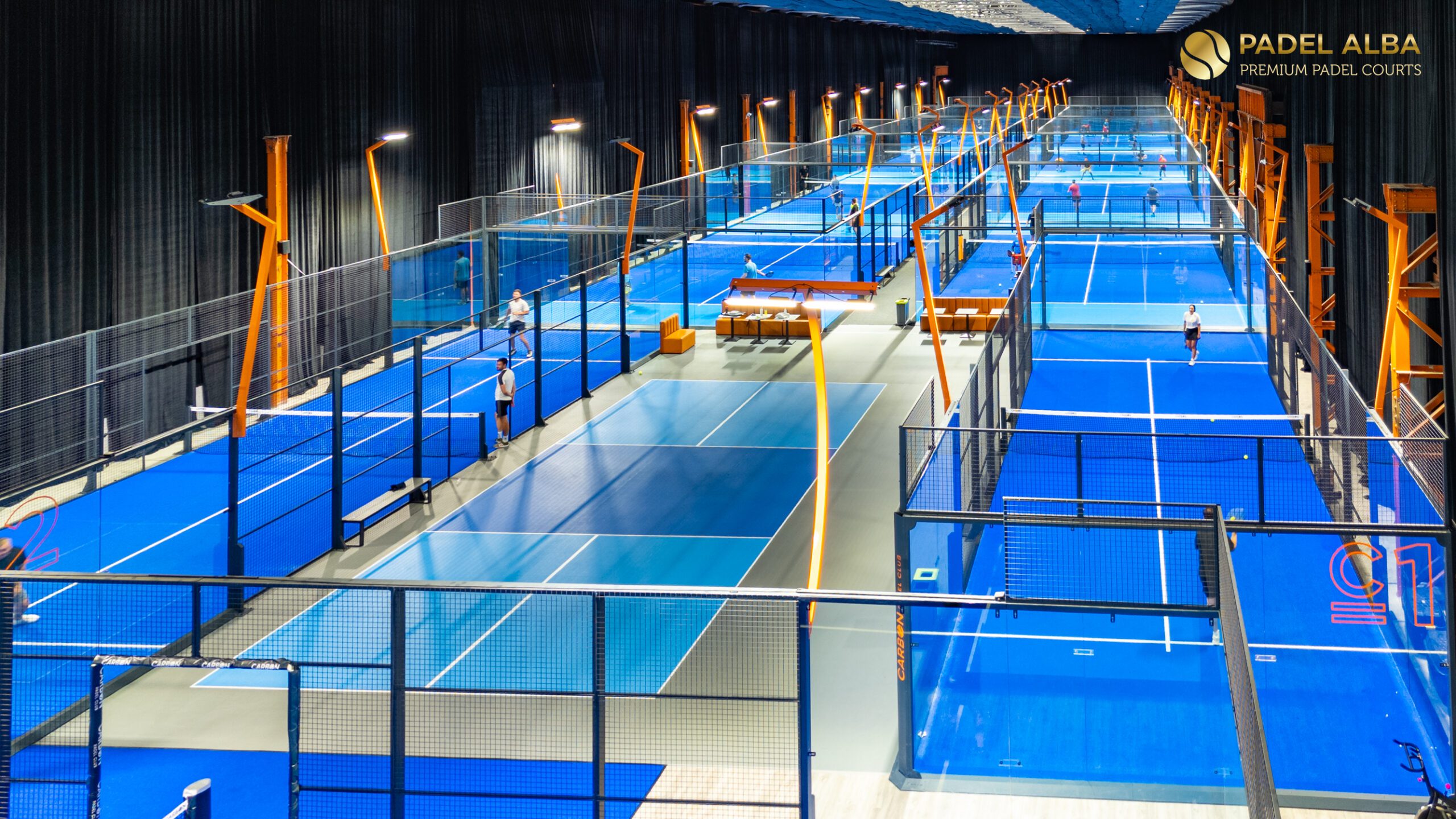
What Parts of a Padel Court Can Be Painted?
A padel enclosure brings several materials together within a fairly small area. Each one responds differently to weather, cleaning, player contact, and paint.
Before beginning, we identify the floor, steel, mesh, gates, walls, glass, hardware, and existing coatings. This prevents an unsuitable product from being used simply because the surfaces happen to sit beside one another.
Hard Playing Surfaces
Some padel courts use painted concrete, cement, or another suitable hard surface. If the base remains stable, acrylic coatings can restore color and playing texture.
The work may involve cleaning, repairing suitable cracks, patching worn sections, applying an acrylic resurfacer, adding color coats, and repainting the lines.
Peeling or bubbling needs closer attention. It may indicate trapped moisture, poor preparation, or an incompatible previous coating. Rolling fresh color over it will not correct the cause.
Artificial Turf
Artificial turf should not be coated like concrete. Paint can stiffen the fibers, bind the infill, interfere with drainage, and alter ball movement.
When turf looks dull or uneven, it may need cleaning, mechanical brushing, infill redistribution, seam repair, or replacement. Quality & Heritage Court Services checks the surface before deciding whether any painting is appropriate for the project.
Steel Frames, Gates, and Mesh
The steel frame carries the glass, fencing, access gates, and other court components. Its finish helps protect the metal from outdoor exposure while shaping the enclosure's overall appearance.
Chipped paint can expose bare steel to moisture. Rust often begins near welds, bolts, gate edges, lower posts, and areas hit by equipment.
Loose material and corrosion must be addressed before primer or finish paint is applied. Painting directly over rust may temporarily hide the stain, but the corrosion can continue beneath it.
Solid Walls
Some padel layouts use solid wall sections. Because the ball remains active after contacting the wall, the finish must remain smooth, uniform, and appropriate for play.
Heavy ridges, peeling patches, and rough repairs can affect rebound. These walls need more care than an ordinary exterior wall.
Glass Panels
Tempered glass is normally cleaned, not painted. Paint overspray must be kept away from the panels, seals, joints, and mounting hardware.
Any decals or branding should be positioned carefully so they do not interfere with player or spectator visibility.
When Does a Padel Court Need Painting?
Fading alone may not require immediate work. Once the coating begins to fail or expose the underlying material, postponing the project can lead to a more expensive repair.
The Frame Looks Washed Out
Sunlight can leave dark steel looking pale or chalky. Lower sections may also show stains from rain, irrigation, soil, or cleaning products.
Repainting can give the enclosure a cleaner, more uniform appearance, provided the existing finish remains suitable for recoating.
Chips Have Exposed Bare Steel
Small scratches deserve attention before rust spreads beneath the surrounding finish. Gates, corners, welded joints, and lower framework usually show damage first.
Early surface treatment is easier than repairing a larger area of corrosion later.
Rust Is Appearing Around Hardware
Orange staining near bolts or joints often points to moisture reaching exposed metal. Paint should not be applied until the rust has been removed or treated and the steel has been checked.
Deep corrosion or weakened components may require repair or replacement rather than another coat of paint.
The Hard Floor Has Become Patchy
A painted hard surface may fade unevenly because of sunlight, traffic, drainage, or cleaning. If the coating remains stable, repainting can provide a clean visual update.
When the floor also has cracks, peeling, worn texture, or low spots, a more complete resurfacing process may be needed.
Lines Are Losing Contrast
Faded service lines can become difficult to read during a quick rally. Painting also provides an opportunity to correct untidy edges left by repeated touch-ups.
The layout should be measured again rather than simply tracing old markings.
The Court No Longer Suits the Property
A faded frame and mismatched repair paint can make a premium amenity feel neglected. A coordinated palette helps the court sit more comfortably beside a hotel, clubhouse, home, garden, or commercial property.
Give us a call if you are unsure whether your court needs painting, surface maintenance, or a more involved restoration.
Choosing the Right Colors
Color affects visibility, glare, heat, and the way the enclosure feels during play. The most attractive sample is not automatically the best choice beneath strong sunlight or court lighting.
Floor and Wall Contrast
Players need to follow the ball against the floor and walls without struggling through visual clutter.
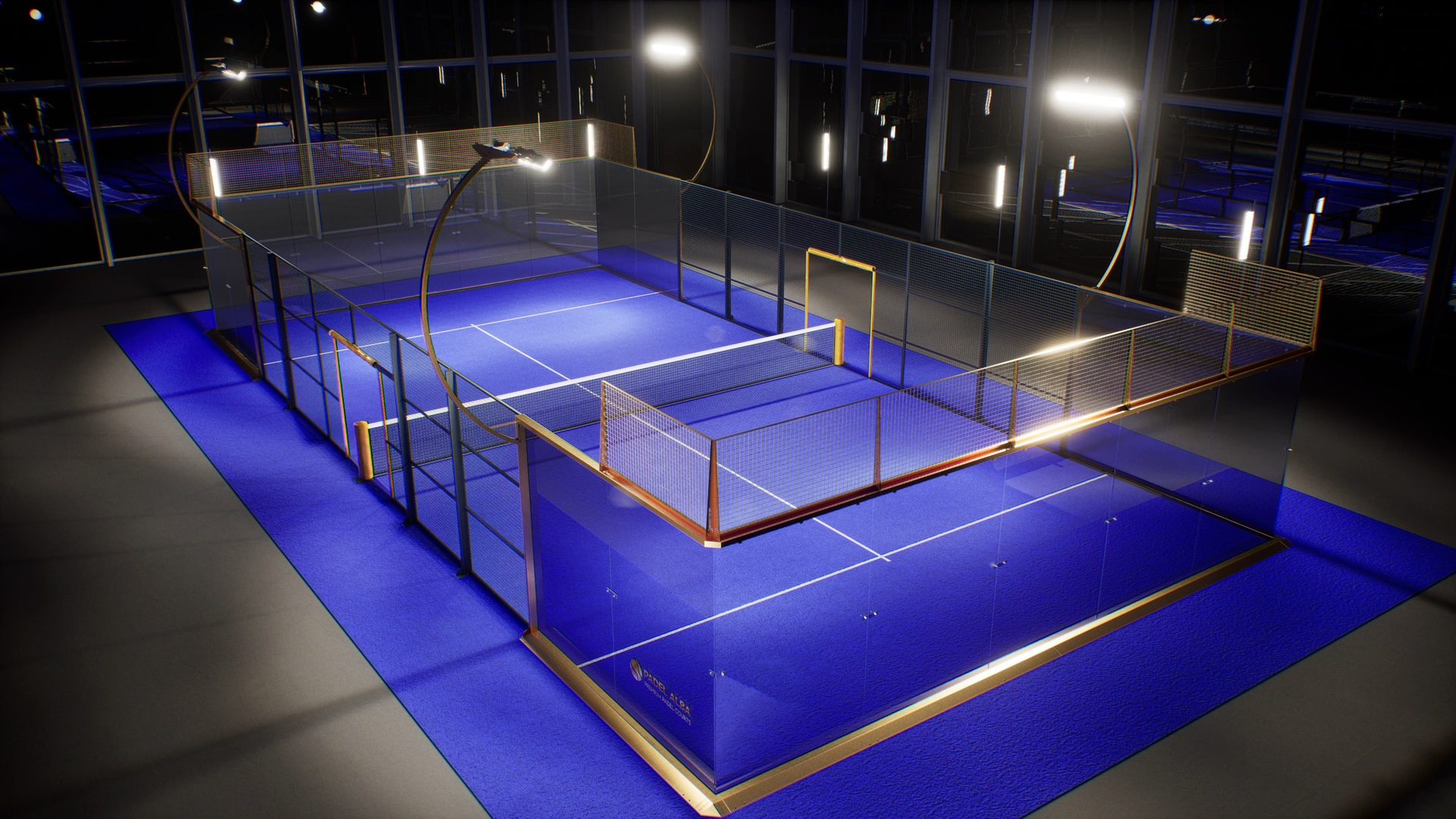
The International Padel Federation rules permit cement, synthetic material, and artificial grass surfaces that provide a regular bounce. The rules identify green, blue, and terracotta tones as preferred floor colors and call for the floor to contrast with the walls.
Owners planning sanctioned play should confirm current competition requirements before approving custom colors.
Frame Color
Black steel remains popular because it gives the enclosure a sharp outline while receding behind the glass. Dark green and gray can also work well with certain buildings or landscaping.
Gloss should be considered as carefully as color. A highly reflective finish may create distracting glare during afternoon or evening play.
Heat and Outdoor Exposure
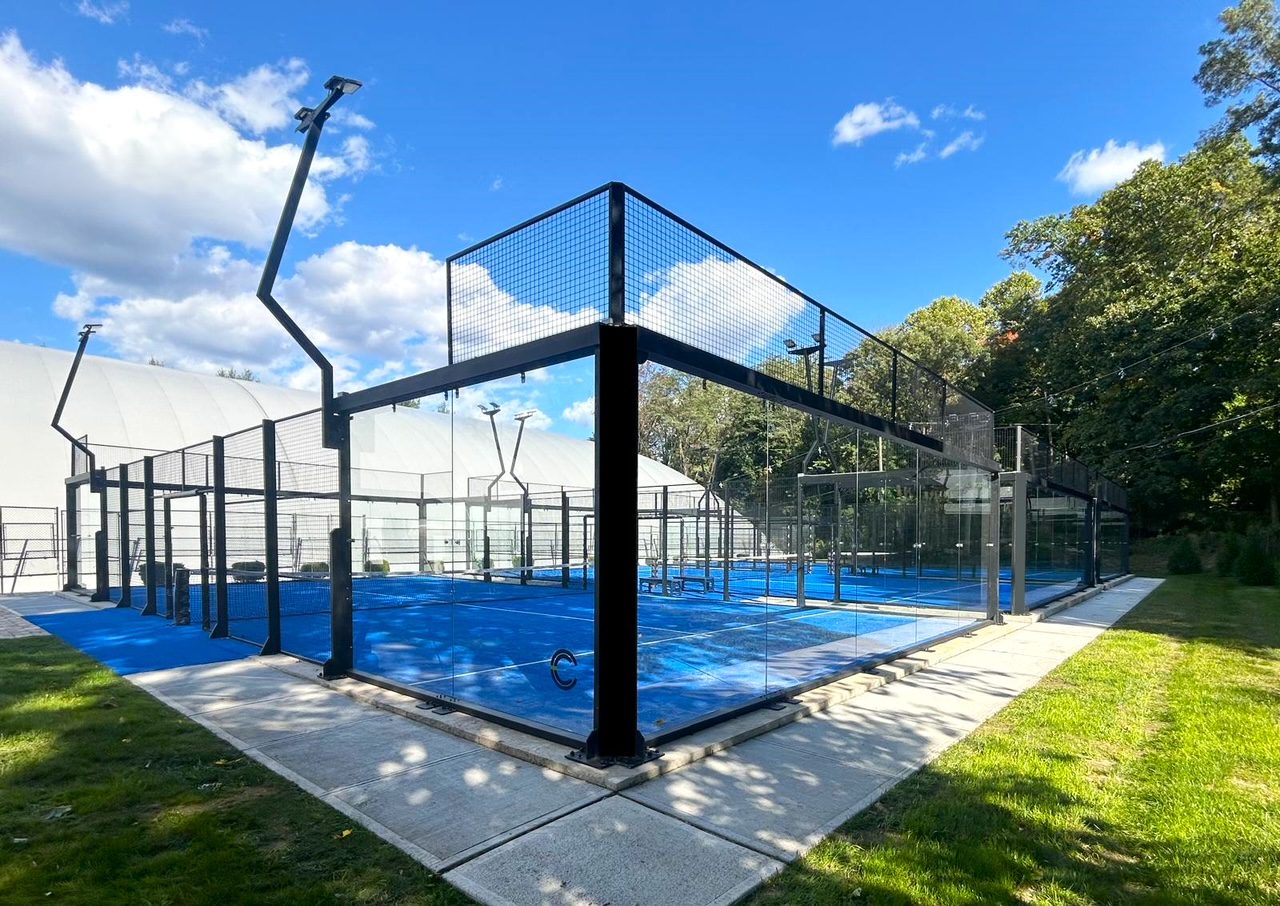
Dark surfaces usually absorb more solar heat than lighter ones. This may influence color selection on an outdoor court exposed to full Texas sun.
A lighter border or well-chosen mid-tone may be more comfortable, but it can show dirt sooner. The decision should account for heat, visibility, maintenance, and the property’s appearance.
Logos and Property Colors
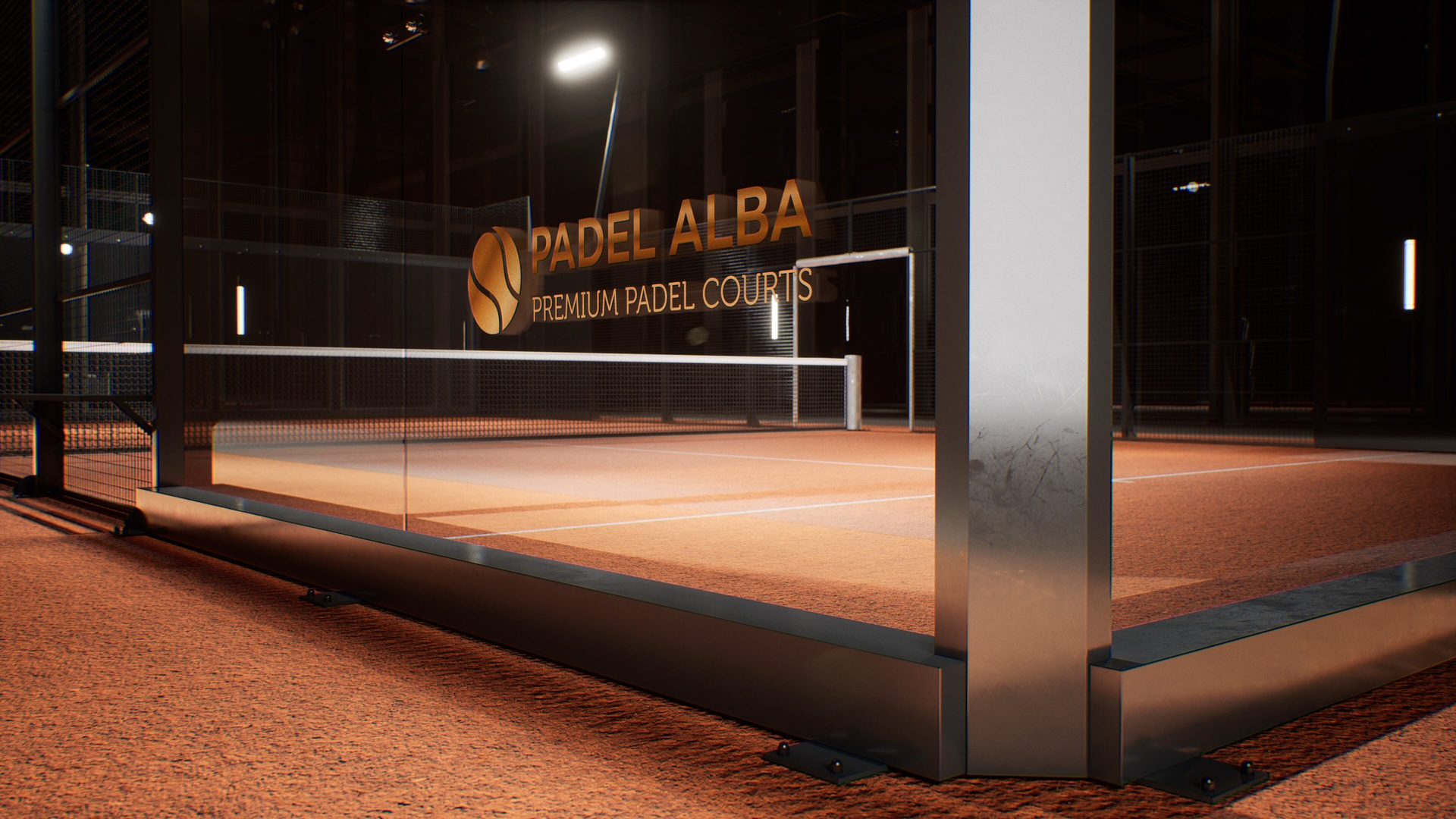
Schools, hotels, clubs, and commercial facilities may want to carry their colors into the court design. Branding can work well when it does not compete with the service lines or create distracting areas behind the ball.
Simple designs are usually easier to clean and touch up than detailed graphics covering large portions of the surface.
Preparation Determines How the Finish Holds Up
Good paint cannot compensate for a dirty, damp, rusty, or unstable surface. Much of the real work happens before the finish coat is opened.
Cleaning the Surface
Dirt, grease, algae, mineral deposits, loose paint, and hand residue interfere with adhesion. Each material is cleaned using a suitable method.
Steel should not be treated like acrylic-coated concrete. Glass, turf, seals, and hardware require their own protection.
Removing Loose Paint and Rust
Any coating that has already separated must be removed. Otherwise, the new paint is attached to a layer that is already failing.
Surface rust can often be treated after proper preparation. Deep corrosion may require structural attention before painting can continue.
Masking Glass, Turf, and Hardware
Glass panels, gaskets, artificial turf, infill, lighting, net systems, and access hardware must remain protected throughout the work.
Paint that reaches turf fibers can be difficult to remove without causing damage. Overspray on glass is equally noticeable. Careful masking takes time, but it is far quicker than repairing avoidable mistakes.
Matching the Coating to the Material
An acrylic floor coating, a site-applied metal paint, and a factory powder coating do not have the same requirements.
Product compatibility and the existing finish need to be checked before applying primer or paint. The U.S. Environmental Protection Agency notes that powder coatings are widely used on fabricated metal and contain little to no volatile organic compounds compared with many conventional processes. Field recoating still requires materials designed to bond with the existing system.
Our Padel Court Painting Process
Inspecting the Court
We examine the playing floor, steel frame, mesh, gates, glass, walls, net, and visible hardware. Fading, rust, peeling, cracks, and earlier repairs are documented.
This inspection tells us what should be painted and what needs another service.
Confirming Colors and Scope
We discuss the included areas, surface repairs, coating type, color scheme, access, expected downtime, and the intended use of the court.
Indoor and outdoor projects may need different products and scheduling.
Cleaning and Protecting the Area
The surfaces are cleaned, and loose material is removed. Glass, turf, lighting, hardware, and surrounding areas are masked or covered.
Working carefully at this stage keeps the finished court from being marked by drips and overspray.
Treating Repairs and Bare Metal
Appropriate cracks and chips in hard surfaces are repaired. Exposed steel is prepared, and primer is used where required by the coating system.
We do not use paint as filler or attempt to hide structural corrosion.
Applying the Finish
The approved coatings are installed in controlled layers. Steel posts, mesh, gates, joints, and corners require even coverage. Hard playing surfaces need a consistent finish that does not create slick or noticeably rough areas.
Rain, wind, humidity, and temperature can affect outdoor application. Work pauses when conditions could compromise the result.
Completing Lines and Final Details
Service lines are measured and applied once an eligible hard surface is ready. Masking is removed, the glass is checked, and the gates and visible hardware are reviewed.
We then explain when the court can safely reopen. A coating can feel dry before it has cured enough for normal use.
Contact our team to schedule an on-site review and discuss color or coating options.
Painting Versus Resurfacing
Painting primarily renews the color and lines on a stable, hard surface. Resurfacing is more involved and may include crack repair, low-spot correction, patching, acrylic resurfacer, and a complete coating system.
A court may need resurfacing if it has:
- Several open or previously repaired cracks
- Peeling and bubbling in multiple areas
- Worn sections that have lost playing texture
- Low spots that continue to hold water
- Extensive patchwork showing through the old finish
- Acrylic coatings that have worn through rather than simply faded
Artificial turf follows a separate maintenance process. It may need grooming, cleaning, infill work, seam repair, or replacement instead of paint.
What Affects the Cost?
Preparation often has a greater effect on price than the quantity of paint.
The estimate may depend on:
- Surfaces included: Painting a hard floor differs from recoating the complete steel enclosure, gates, mesh, and walls.
- Existing condition: Firmly bonded, but faded paint requires less preparation than rust or peeling coatings.
- Height and access: Upper framework and tall mesh may require specialized equipment.
- Glass and turf protection: Careful masking prevents expensive staining and damage.
- Color change: Moving from a dark shade to a light one may require additional coats or primer.
- Logos and details: Custom graphics and multiple accent colors add layout and application time.
- Repair requirements: Corrosion, cracks, loose gates, and damaged components may need separate work.
A clear quote should identify what will be cleaned, prepared, repaired, primed, coated, and protected.
Request a quote from Quality & Heritage Court Services for pricing specific to your court, rather than a generic paint package.
Why Quality & Heritage Court Services?
Painting a padel court takes more than a painter who can handle an exterior wall. The enclosure is an engineered structure; the glass is part of the play; and the floor must deliver a reliable ball response. One careless product or poorly protected area can affect much more than appearance.
We Understand the Whole Padel Enclosure
Our team considers the floor, steel framework, mesh, glass, gates, net system, lighting, drainage, and access as interconnected parts of a single facility.
That matters when the source of peeling paint is actually moisture, when rust near a joint may indicate a hardware issue, or when a planned coating could affect turf or glass seals.
We Do Not Paint Surfaces That Should Not Be Painted
Faded artificial turf does not need a coat of acrylic. It may need cleaning, grooming, infill adjustment, seam work, or replacement.
Quality & Heritage Court Services identifies the material first and recommends the service that fits it. This prevents owners from paying for a cosmetic treatment that could damage playability.
We Prepare the Surface Before Changing Its Color
Rust, loose coating, grease, mineral residue, and moisture all weaken adhesion. We deal with these concerns before applying the final finish.
The result is not based on how quickly a crew can cover the old color. It is based on whether the new system has a sound surface to bond to.
We Protect the Glass and Turf
Masking is treated as a core part of the job. Glass panels, seals, turf fibers, infill, net systems, and hardware are protected from paint and overspray.
This is especially important on an existing court where most components are still in good condition.
We Keep Visibility and Play in the Design
Colors are selected with ball contrast, glare, lighting, and line visibility in mind. A padel court can look polished without making play more difficult.
For clubs, hotels, schools, and commercial facilities, we can also incorporate property colors without allowing branding to overwhelm the playing area.
We Give Owners an Honest Scope
If a coating can be refreshed, we explain how to do so. If corrosion needs repair or a hard surface requires resurfacing, we explain that too.
Our team works with private estates, clubs, hotels, resorts, schools, HOAs, municipalities, and commercial properties. The schedule and scope are adjusted around how the facility operates.