
Overview
Professional tennis court resurfacing addresses wear before the playing surface becomes difficult or unsafe to use. It is not simply a matter of rolling on fresh color. The court must be cleaned, inspected, repaired, leveled where possible, recoated, and accurately striped.
Quality & Heritage Court Services resurfaces tennis courts for homes, schools, clubs, HOAs, hotels, public facilities, and commercial properties. We start with the condition of the existing court, not a standard package. That inspection helps us determine what can be restored, what caused the damage, and whether resurfacing is the right investment.
Is your court beginning to crack, fade, or hold water? Contact our team to schedule an inspection and get a practical recommendation based on what is actually happening beneath the surface.
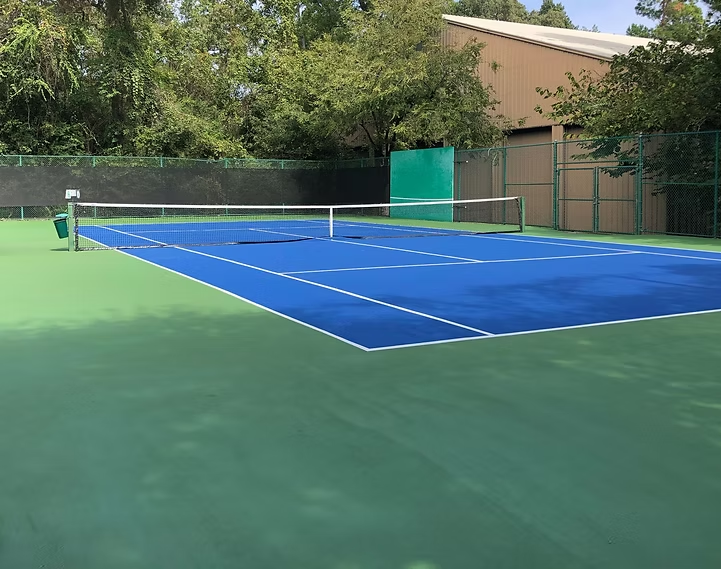
Signs It May Be Time to Resurface Your Tennis Court
A court does not need to look ruined before it deserves attention. In fact, resurfacing is usually more straightforward when the base remains stable, and the damage has not spread too far.
The Original Color Has Become Dull or Patchy
Texas sun can be hard on an outdoor acrylic finish. Over time, strong UV exposure and regular play begin to thin the color coats. The playing area may look pale while shaded sections hold onto their original color.
Fading can seem like a cosmetic issue, but it often arrives with surface wear. Once the coating loses texture, traction can vary across the court. Fresh color improves the appearance, while the full resurfacing system restores the playing finish beneath it.
Cracks Are Spreading or Reopening
A single hairline crack may only need monitoring or a small repair. Several cracks across the playing area are harder to ignore, especially if earlier patches have reopened.
The shape of a crack can offer clues about what is causing it. Some develop as pavement ages. Others are linked to soil movement, drainage trouble, tree roots, or movement between concrete sections.
Resurfacing can include crack treatment, but it cannot promise that a moving foundation will suddenly become still. That is why the inspection matters. A contractor should explain whether the visible crack is likely to respond to repair or whether the base needs more extensive work.
Water Remains After the Rest of the Court Dries
Shallow depressions that hold water are often called birdbaths. They leave behind dirt, discoloration, and slick patches. If water sits long enough, it can also seep into small openings in the coating.
Some low spots can be filled and blended into the surrounding surface. Larger areas of ponding may point to settlement or an incorrect slope. In those cases, another layer of acrylic will not fix the source of the problem.
The American Sports Builders Association publishes technical guidance on court construction and common surface concerns, including cracking and moisture-related failures.
Players Can Feel a Difference Underfoot
Sometimes the court looks passable but plays poorly. The baseline feels smooth. An old patch has a noticeable edge. One side becomes slippery after a light rain. These changes affect how comfortably a player can stop, turn, and move into a shot.
Abrasive wear is usually heaviest where players serve, return, and change direction. When those areas have lost their original texture, cleaning alone will not restore it.
Lines Are Hard to Follow
Lines fade through sunlight, weather exposure, cleaning, and foot traffic. They may also become uneven after years of small touch-ups.
New striping is part of the resurfacing process. The court is measured before fresh lines are applied, giving players sharp boundaries that are easier to read during a fast point.
Small Repairs Are Becoming Routine
There comes a point when separate patches are no longer economical. One crack is filled, another appears, and a peeling section soon develops nearby.
When the overall coating has reached the end of its useful life, handling the surface as a single project usually produces cleaner, more consistent results. It also gives the contractor a chance to see how the different problem areas relate to one another.
Should You Repair, Resurface, or Rebuild?
These terms are sometimes used interchangeably, but they describe very different levels of work.
Repair Is for a Limited Problem
A small crack, one worn patch, a damaged line, or a minor coating failure may not justify resurfacing the whole court. Targeted repair can make sense when the remaining finish is still in good condition.
Prompt repairs also help prevent water and debris from worsening an open area.
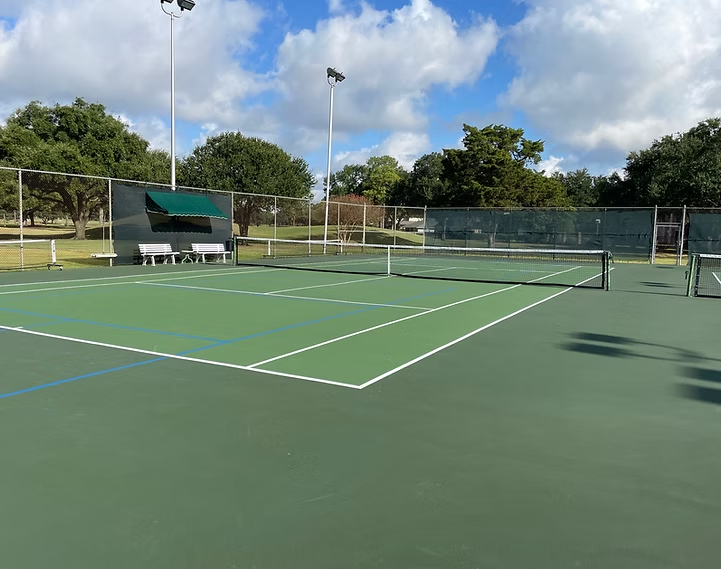
Resurfacing Renews the Complete Playing Area
Resurfacing is usually appropriate when the pavement remains usable, but the acrylic system has widespread wear. It combines necessary preparation and repair with a fresh coating system across the court.
Common reasons to resurface tennis court areas include fading, inconsistent texture, multiple repairable cracks, aging patches, and worn line markings.
Reconstruction Addresses Failure Below the Finish
A court with severe settlement, heaving, crumbling pavement, or broad structural cracking may need more than resurfacing. The same is true when poor drainage continues to move soil or trap moisture beneath the slab.
A new color can temporarily hide those symptoms, but it cannot stabilize the ground beneath. Quality & Heritage Court Services will tell you if the condition has moved beyond a normal resurfacing project. Spending money on the wrong solution only delays the work the property truly needs.
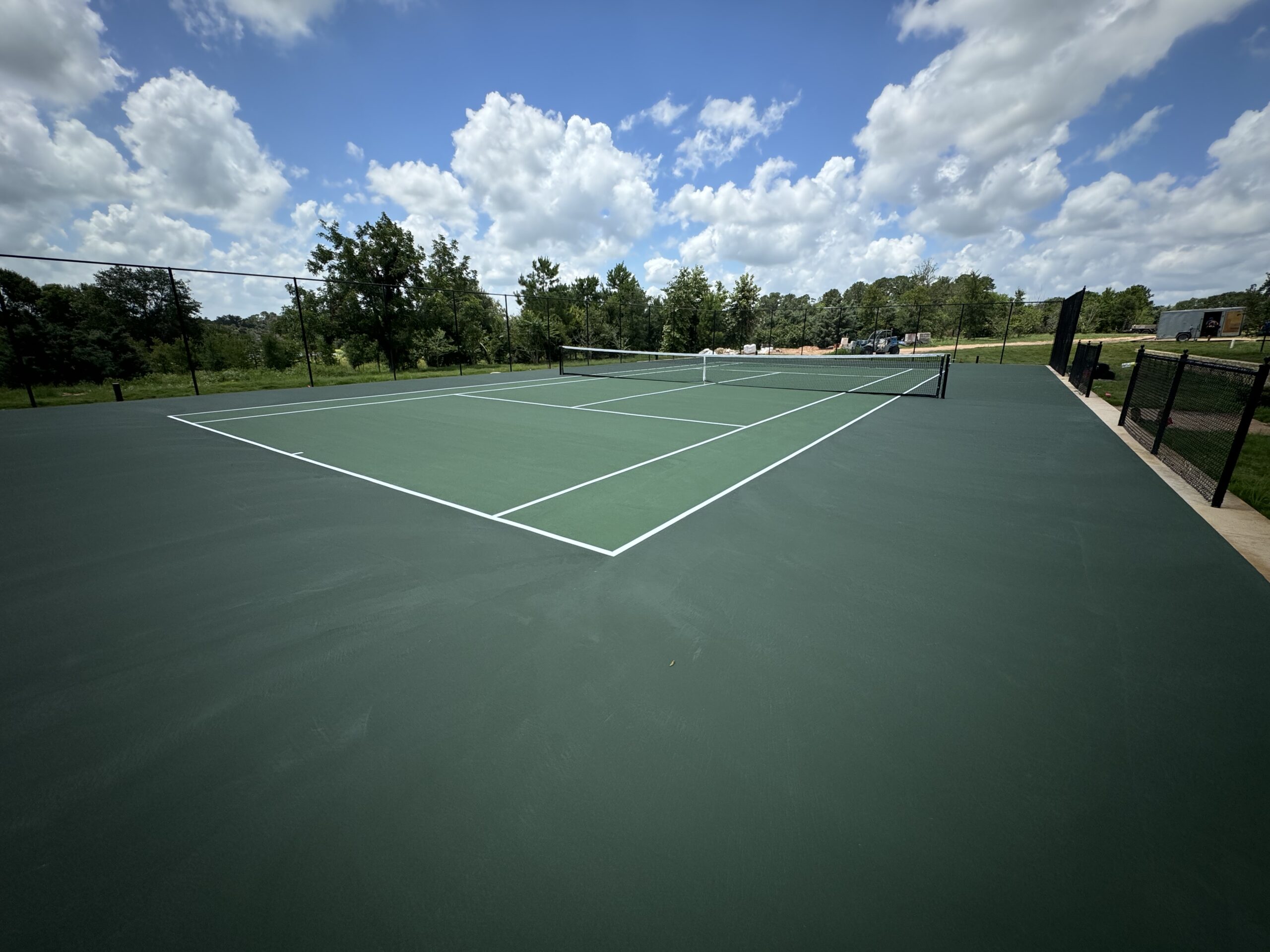
How We Resurface a Tennis Court
No two projects unfold in the same way, but there is a sensible order to the work. Preparation comes first. Color comes much later.
We Walk the Court Before Recommending the Work
The first visit is about understanding the surface. We look at crack patterns, previous patches, worn areas, coating adhesion, water stains, and the condition of the pavement around net posts and fence lines.
Those details help distinguish a surface problem from something developing below it.
The Court Is Cleaned and Prepared
A coating will only hold as well as the surface beneath it. Dirt, algae, mildew, loose acrylic, and old repair residue must be cleared away before repairs begin.
Preparation may include pressure washing at an appropriate setting, scraping loose material, treating organic growth, and cleaning inside open cracks. This stage is not visually exciting, but skipping it can shorten the life of the finished work.
Repairable Cracks and Low Areas Are Addressed
Loose material is removed from cracks before a compatible repair compound is installed. The repaired area is then smoothed into the surrounding surface so it does not leave a distracting ridge.
Low spots may be marked after rain or a controlled water test. Where the existing slope and pavement condition allow, patching material can be used to reduce ponding.
The Resurfacer Creates a More Uniform Base
Once the repairs have cured, the acrylic resurfacer is applied. This fills smaller surface irregularities and prepares the court for its color coats.
The number of applications depends on the existing finish and the selected system. The material has to be spread evenly. Heavy ridges, thin spots, and inconsistent application can all be felt once players return.
The New Color System Is Applied
Color changes the look of the property, but it also forms part of the working playing surface. The coating features a carefully graded texture that enhances grip and court pace.
Owners can retain the familiar color scheme or select a new combination. Ball visibility should be considered alongside appearance. Strong contrast between the playing area and perimeter makes it easier to track the ball, especially under bright outdoor light.
Playing Lines Are Measured and Painted
The final lines should be straight, correctly placed, and easy to read without feeling excessively raised. Measurement happens after the color coats are ready.
This is also the stage when approved secondary markings may be added. If tennis and pickleball will share the same area, the additional line color should be visible without competing heavily with the primary tennis layout.
We Complete a Final Review
Before the court reopens, we check the coating, lines, repaired sections, net area, and general finish. The owner or facility manager receives guidance on curing time and ongoing care.
The court should remain closed until the materials have cured properly. Opening a few hours early is not worth leaving shoe marks in a surface designed to last for years.
How Long Will the Work Take?
A resurfacing project normally takes several working days, but the calendar depends heavily on the court and the weather.
Cleaning and coating a stable surface is relatively predictable. A court with several cracks or low areas needs more preparation and drying time. Humidity, temperature, overnight moisture, and rain can delay application even when the crew and materials are ready.
Each coat must dry before the next one goes down. Repair products need time as well. Trying to force the schedule can trap moisture, weaken adhesion, or leave marks in the finish.
A single residential court will generally take less time than several courts at a school or club. After inspecting the property, we can provide a more useful timeline and discuss when players are likely to return.
What Is the Cost to Resurface a Tennis Court?
There is no responsible flat price for every court. The cost to resurface tennis court surfaces depends largely on the repairs required before the first full coating is applied.
A faded but stable residential court is one type of project. A busy club court with spreading cracks, several birdbaths, and layers of old patch material is another.
The estimate is usually shaped by:
- Surface condition: Peeling coatings, worn texture, and widespread damage require more preparation than ordinary fading.
- Crack quantity and behavior: Narrow, stable cracks are treated differently from wide or recurring cracks that suggest pavement movement.
- Low spots and drainage: Filling one shallow depression is not the same as correcting broad settlement or drainage around the property.
- Court surfaces: Asphalt and concrete have distinct characteristics that must be considered during preparation and repair.
- Selected coating system: A standard acrylic finish and a cushioned system do not use the same number or type of material layers.
- Number of courts: Multi-court properties involve more materials and labor but may allow equipment and preparation work to be coordinated efficiently.
- Colors, logos, and markings: Custom artwork or additional playing lines can add measurement, layout, and application time.
- Access to the site: Narrow gates, surrounding walls, landscaping, and limited equipment access can affect how the work is carried out.
- Other court components: Net posts, fencing, lighting, or drainage repairs may fall outside the resurfacing scope and should be identified separately.
An inspection allows the estimate to reflect the court in our presence. It also reduces the chance of major surprises after work begins.
When comparing proposals, ask what is actually included. Does the price cover washing, crack treatment, low-spot work, the number of color applications, line striping, and cleanup? A vague estimate can make an inexpensive quote look better than it is.
Request an inspection from Quality & Heritage Court Services for a clear resurfacing estimate based on the condition, finish, and needs of your property.
Why Quality & Heritage Court Services?
Resurfacing works best when the contractor understands more than coating application. Drainage, pavement, net-post foundations, fencing, and surrounding grades can all influence what happens on the finished surface.
We Inspect Before We Prescribe
A court does not need a standard sales pitch. It needs someone to find out why it is cracking, fading, or holding water. Our recommendation is based on that inspection.
We Understand the Court Below the Color
Quality & Heritage Court Services builds and restores courts. That construction background helps us recognize when a worn finish can be resurfaced and when the pavement or base deserves more attention.
We Work Around Real Property Needs
A homeowner may be concerned about landscaping and access. A club may need to protect court-booking hours. A school may have a narrow summer work window. The schedule and site plan should fit the property rather than create unnecessary disruption.
We Explain the Limits of the Work
Resurfacing can do a great deal, but it cannot make unstable soil or failed pavement behave like a new base. If a crack may return or a drainage issue requires separate correction, we say so before the work begins.
We Stay With the Complete Project
From the first inspection to crack repair, color selection, striping, and final walkthrough, the work remains connected. Owners are not left trying to coordinate separate painters, repair crews, and court specialists.
Who We Resurface Courts For
Our resurfacing services can be adapted to several types of properties:
Homes and private estates
Restore a backyard court, change the color scheme, improve traction, or plan secondary markings for family use.
Schools and universities
Refresh worn surfaces around academic calendars, team schedules, and heavy student use.
Tennis clubs and training centers
Maintain a dependable playing experience while planning work around lessons, members, and court bookings.
HOAs and residential communities
Improve a shared amenity that may serve beginners, families, older residents, and regular players.
Hotels and resorts
Bring an aging court back in line with the appearance and comfort guests expect from the rest of the property.
Municipal and commercial facilities
Plan resurfacing around public access, regular traffic, durability, and future maintenance budgets.